

LYSIMACHUS GOLD STATER FROM BYZANTIUM – EX TOOAPSE HOARD OF 1908 AND PEDIGREED BACK TO THE HESS SALE OF 1918 – CHOICE AU NGC GRADED GREEK THRACE COIN (Inv. 20533)
$18,500.00
20533. KINGDOM OF THRACE. KING LYSIMACHUS, 305-281 BC
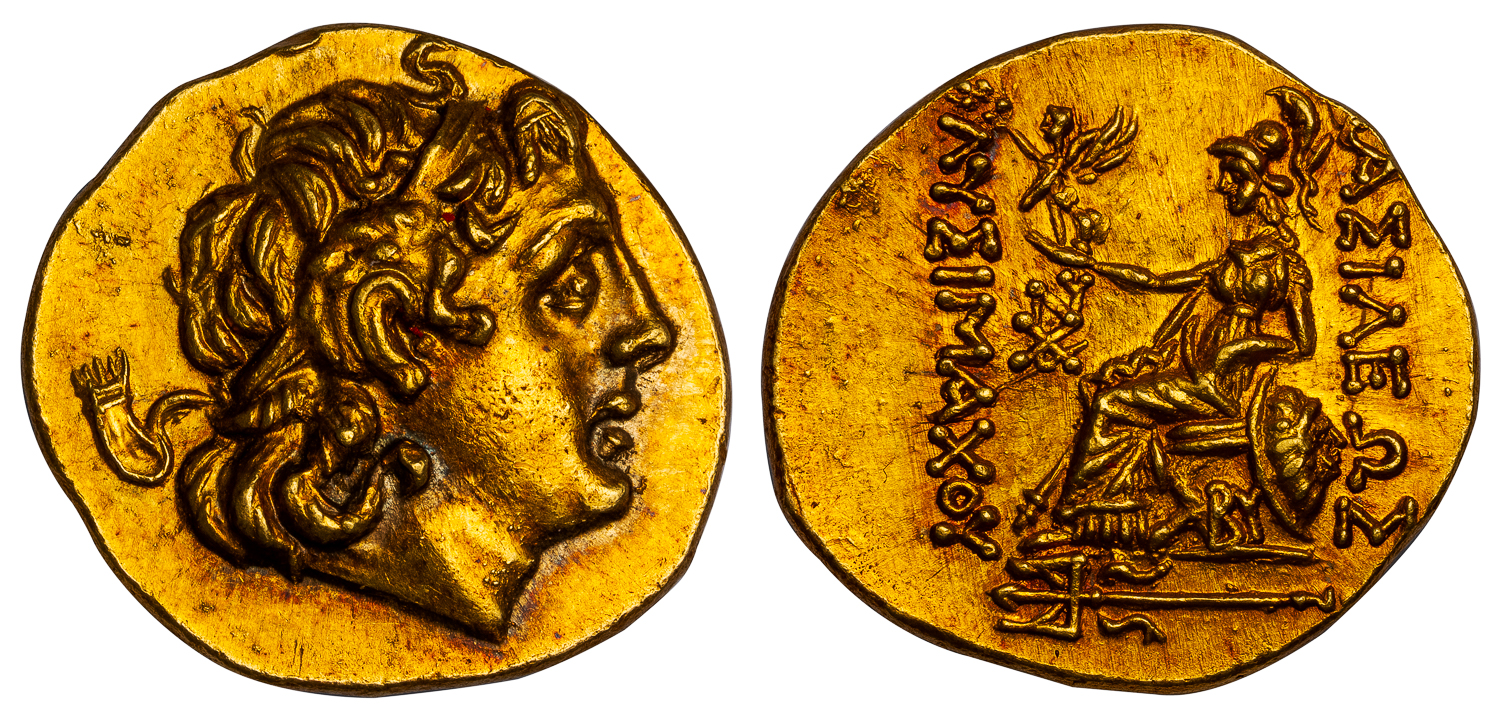
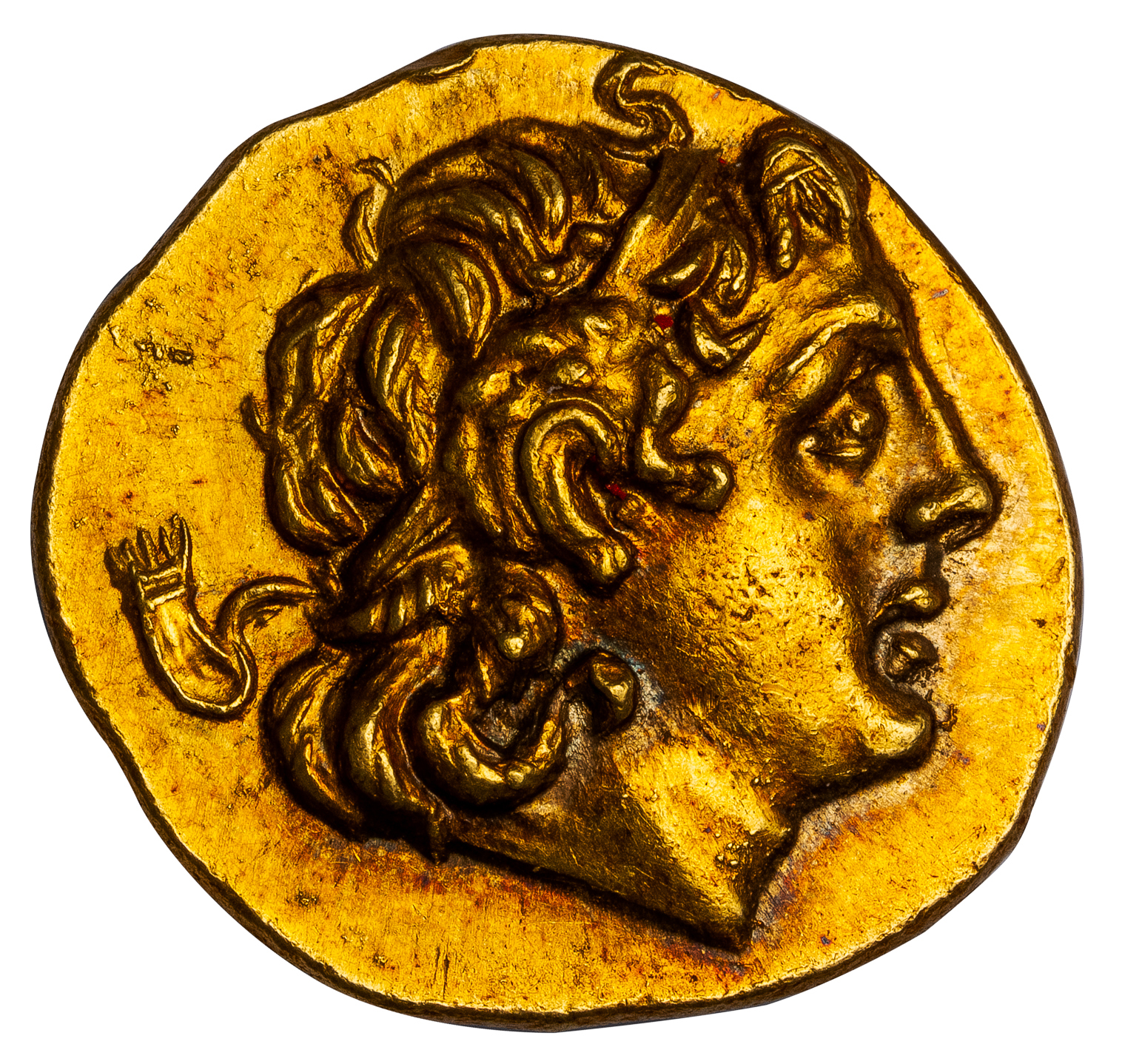
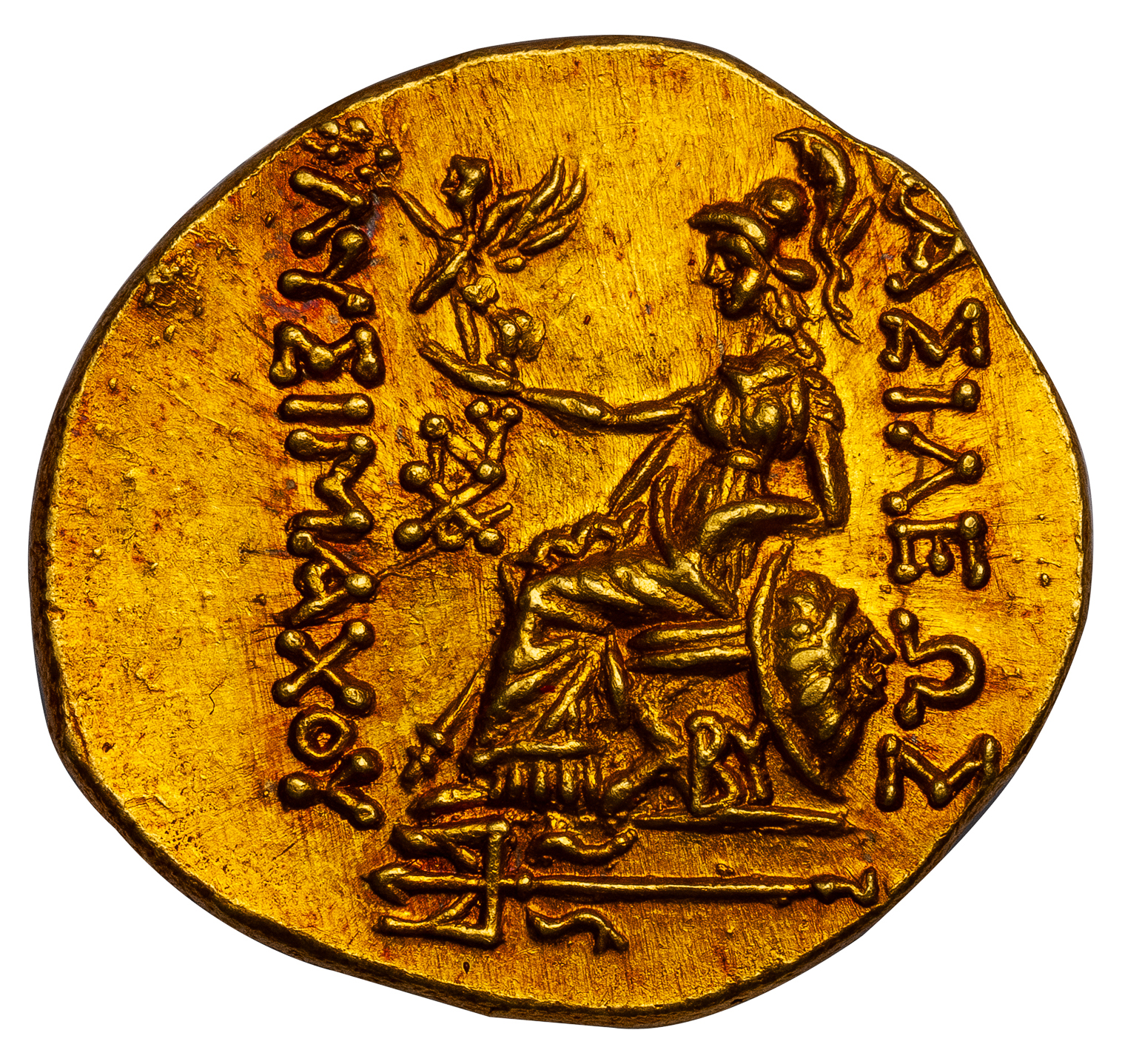
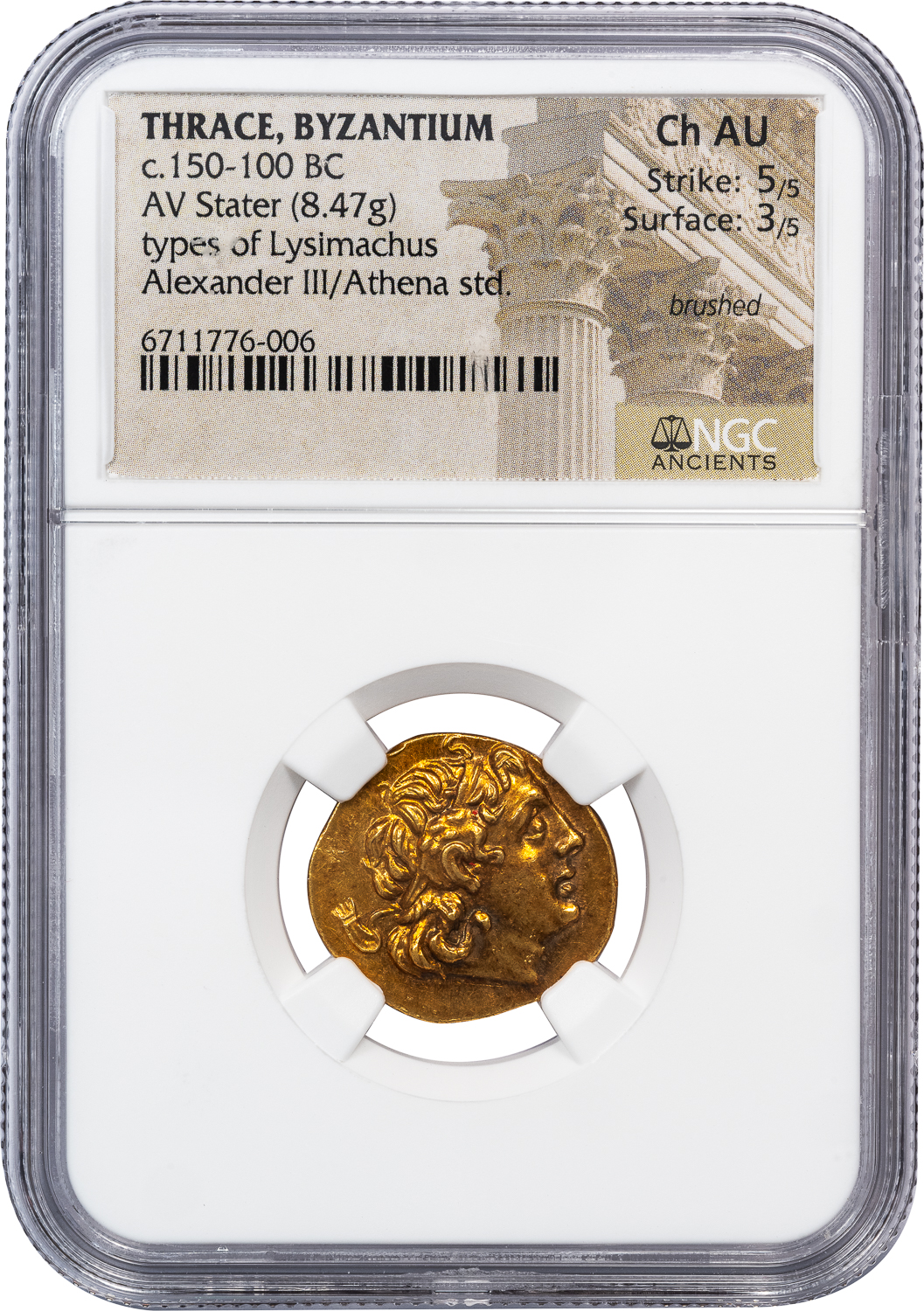
Gold Stater, 8.47 g, 20 mm. Posthumous issue of Byzantium, ca. 150-140 BC.
Obv. Head of deified Alexander the Great right, with the horn of Amon. Rev. BAΣIΛEΩΣ ΛΥΣIMAXOΥ, Athena enthroned left, holding a Nike crowning Lysimachus’ name, NXA monogram in left field, BY on throne, trident in exergue.
Published: Marinescu, Making and Spending Money along the Bosporus: the Lysimachi Coinages Minted by Byzantium and Chalcedon and their Socio-Cultural Context (Columbia University Dissertation, 1996), Issue 135, no. 453.62 and 453.71 (this coin listed erroneously as two different pieces).
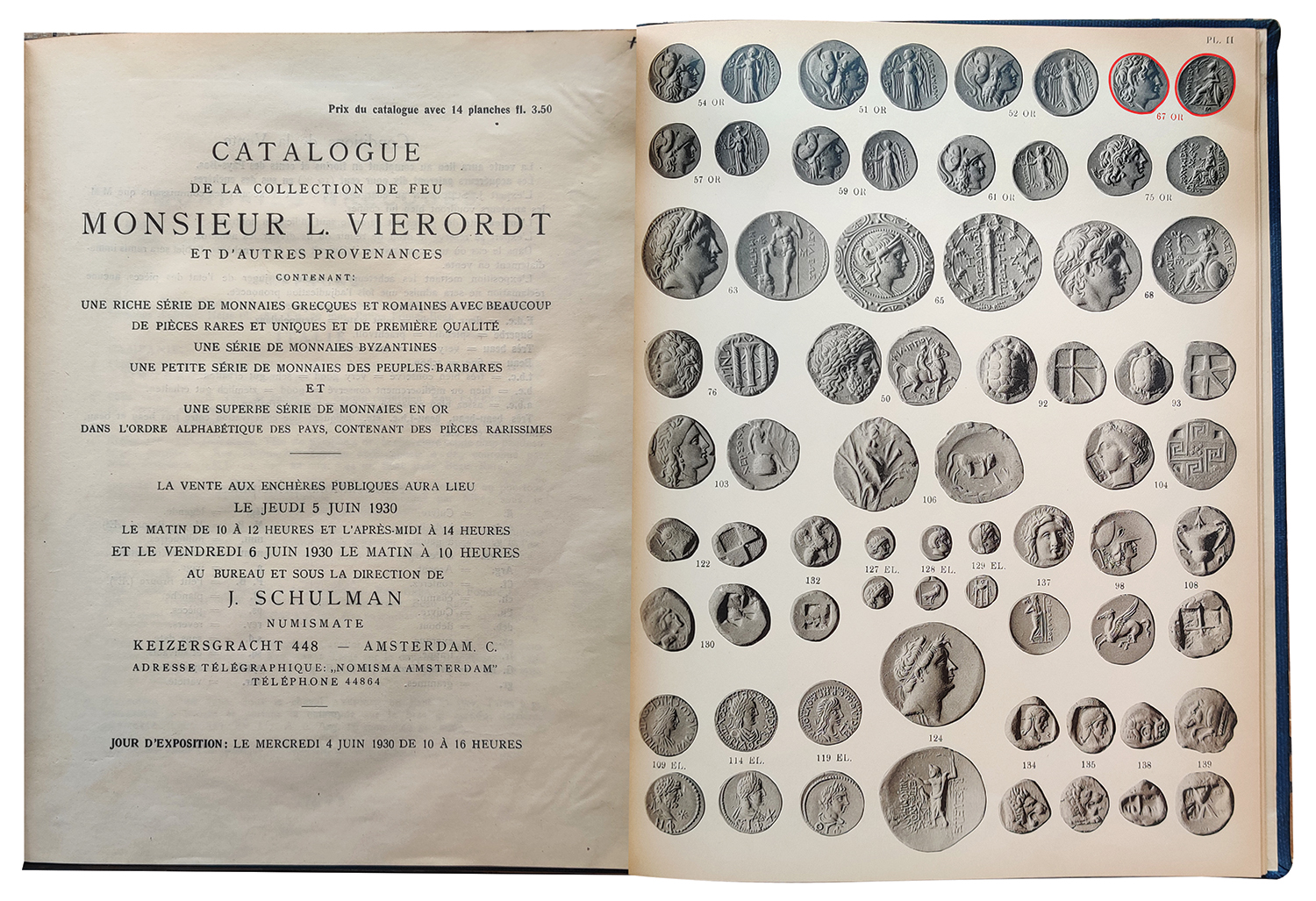
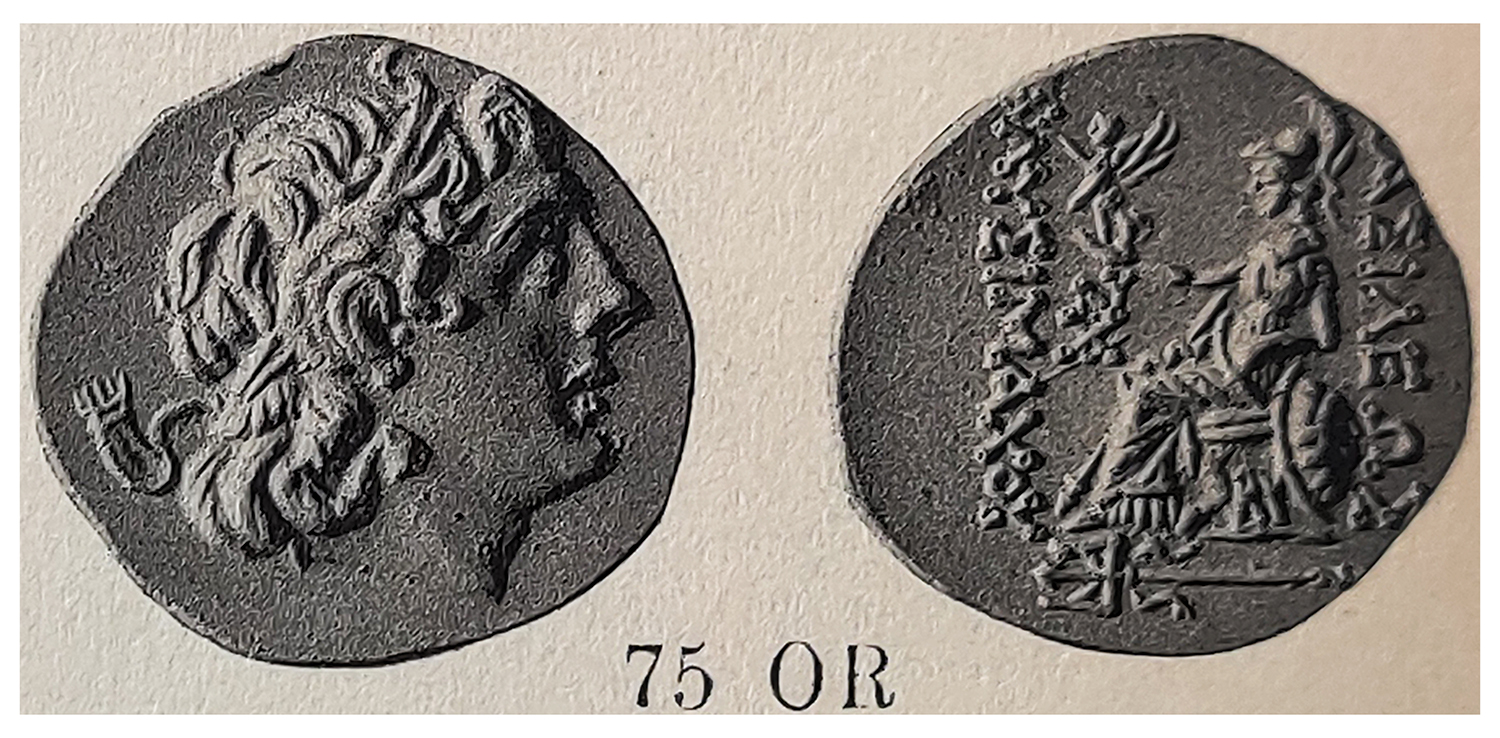
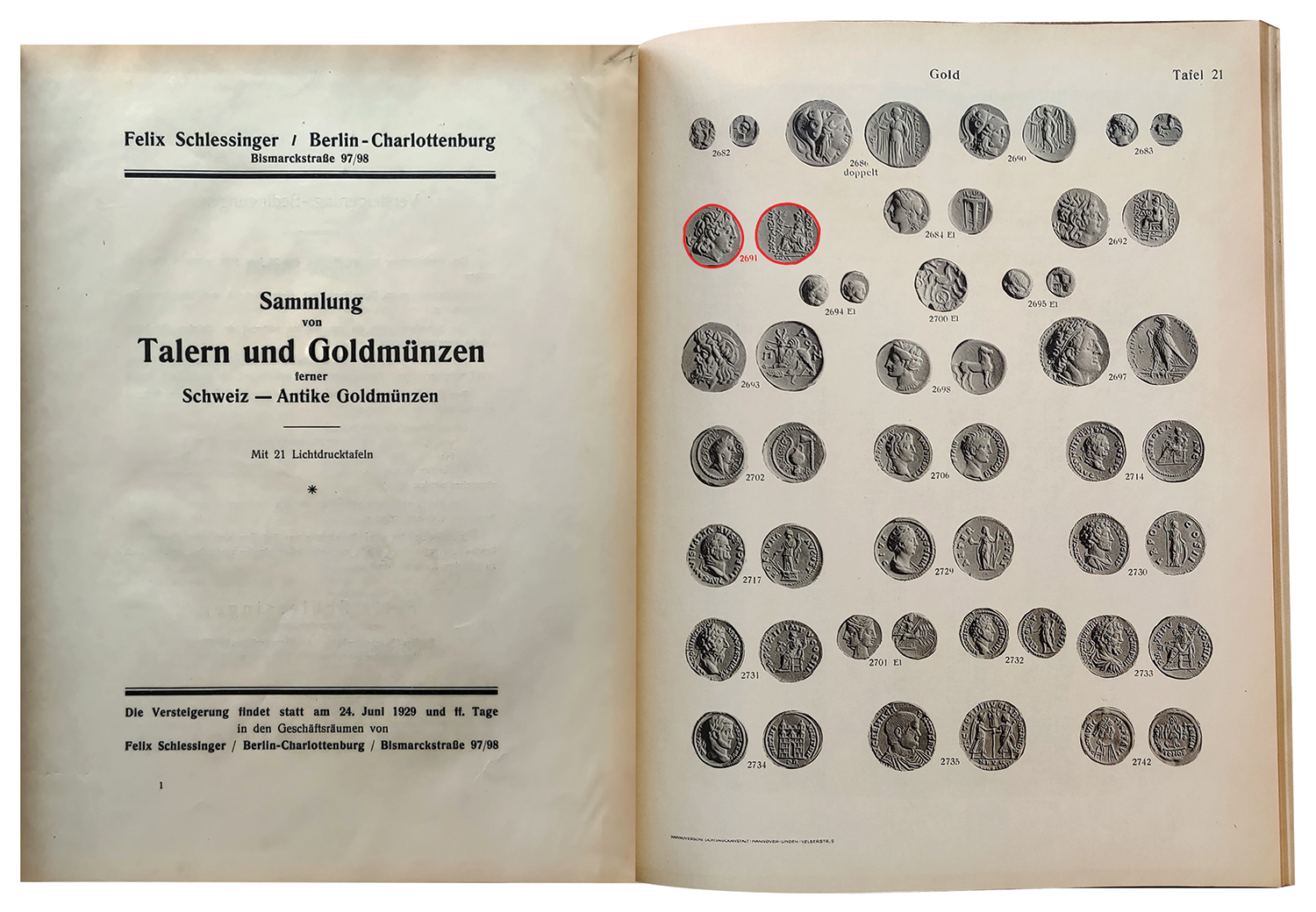
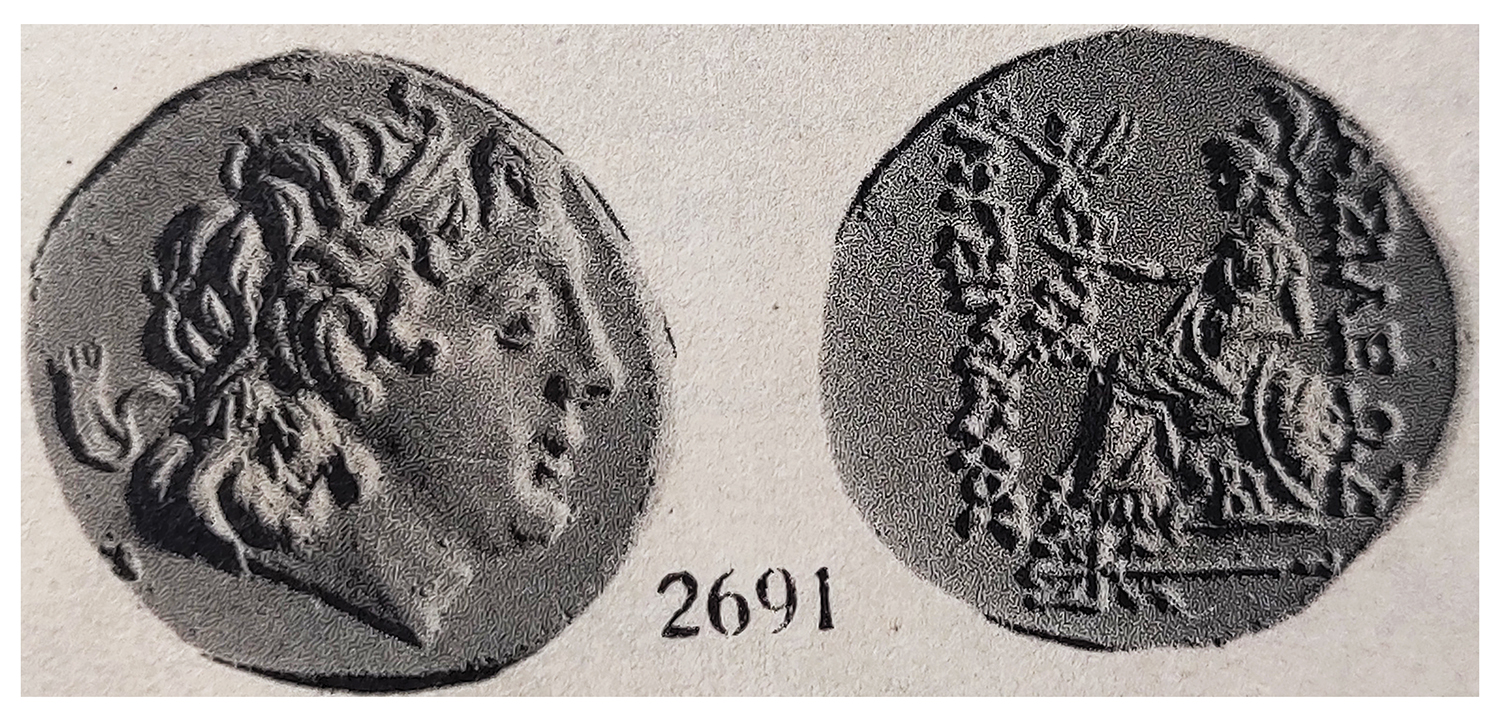
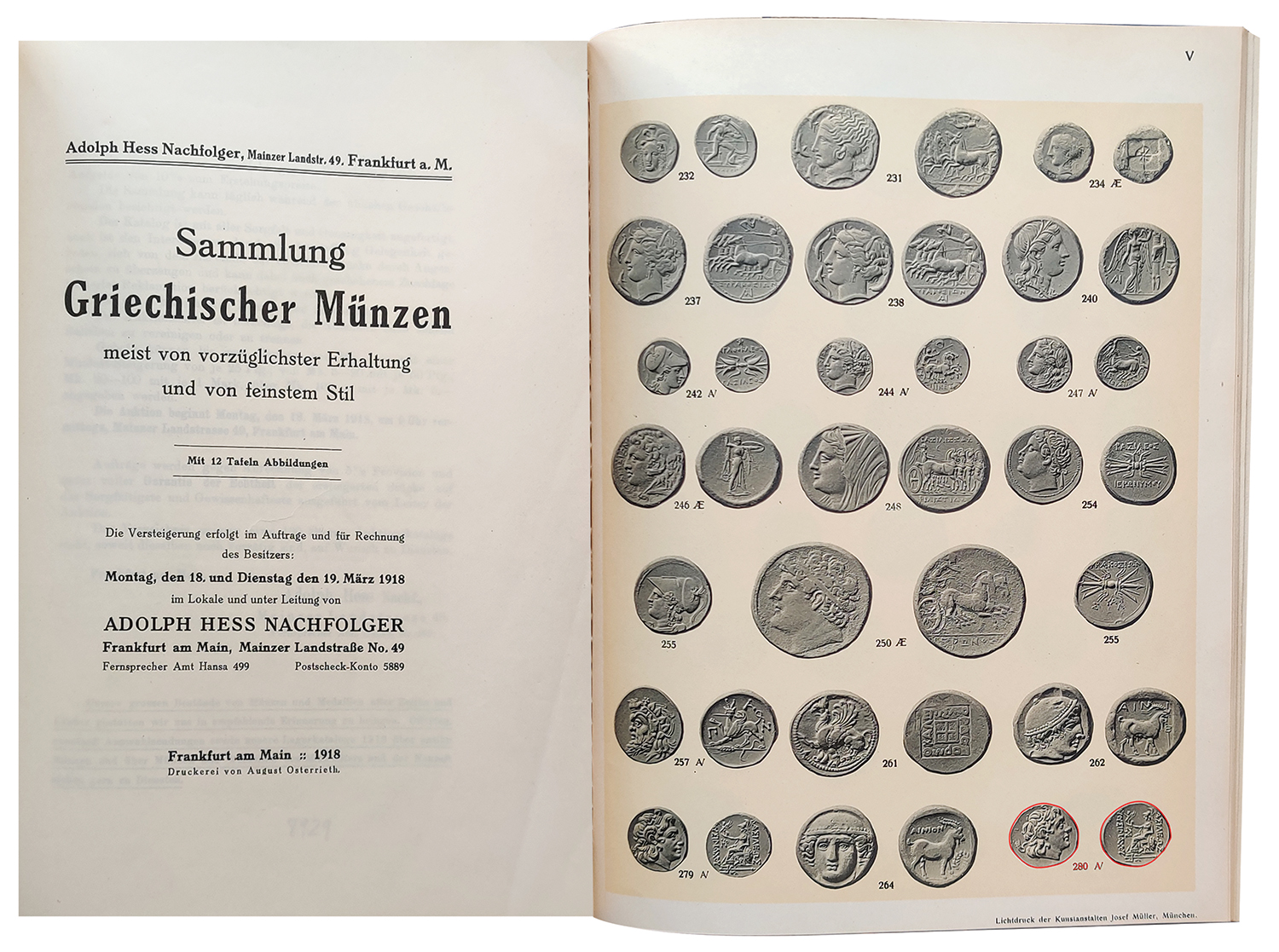
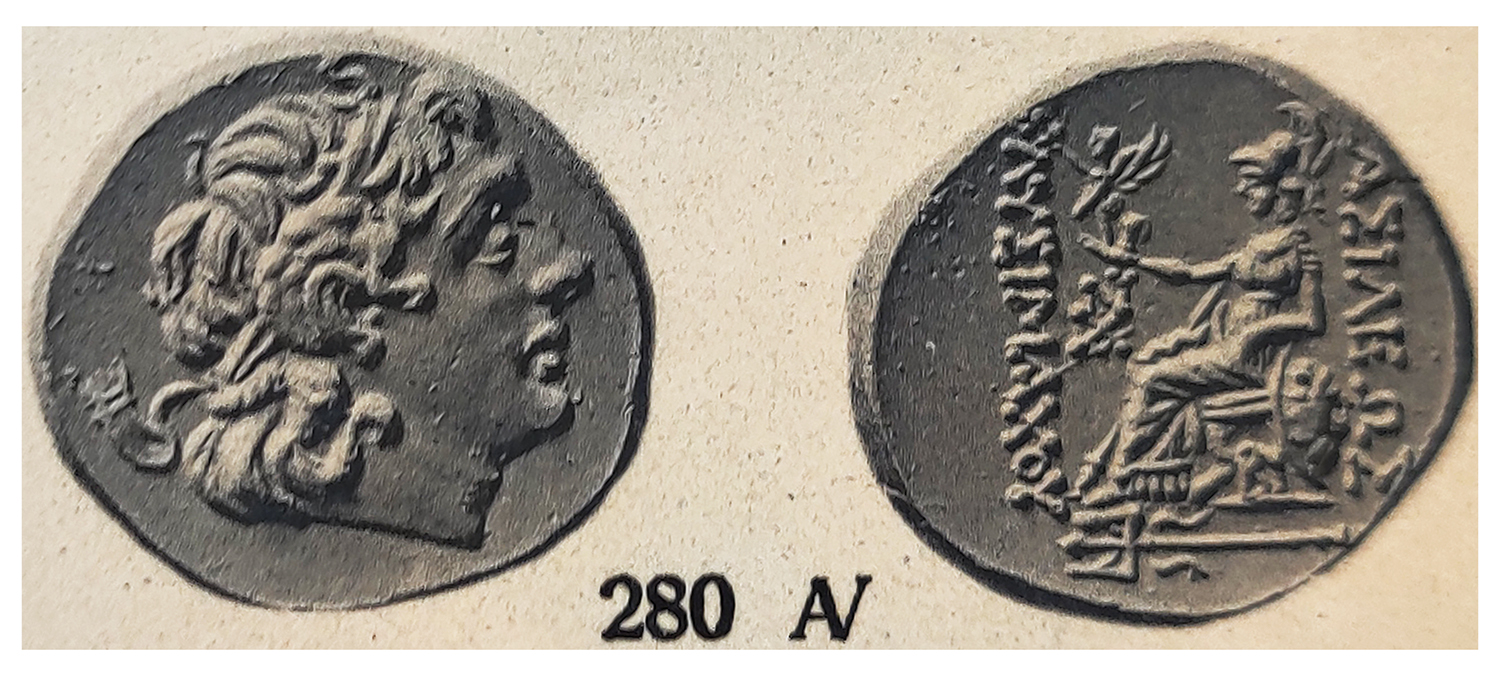
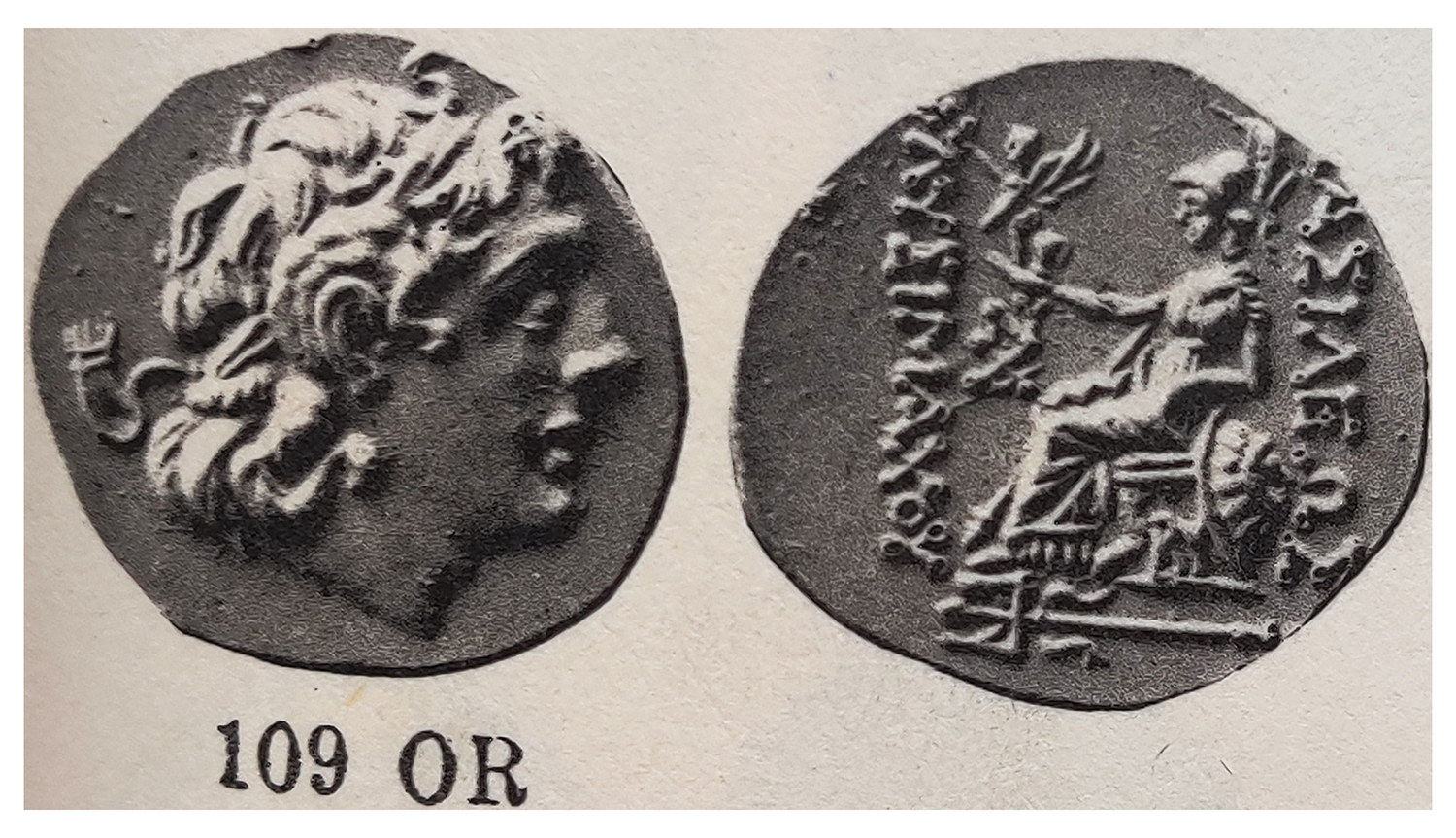
Ex CNG Triton VI, 1/14/2003, lot 228 = ex NAC 8, 4/3/1995, lot 240 = Glendining, 5/27/1936, 54 (likely this coin) = Schulman 6/8/1931, 109 = Schulman, 6/5/1930, 75 = Schlessinger, 6/24/1929, 2691 = Hess, 3/19/1918, 280.
NGC graded CHOICE AU, Strike 5/5, Surface 3/5, “brushed,” with a rich deep reddish toning, a coin undoubtedly from the Tooapse Hoard discovered in 1908.
The Tooapse or Tuapse Hoard (IGCH 1120) was discovered in 1908, and many specimens were sent to the coin cabinet in St. Petersburg. Zograph published 52 pieces that entered the museum, but these were about half of the 90-96 estimated in the find. The rest found their way to the market and appear in sales soon after and continue to the present day. These coins are very distinctive as they are struck from the same pair of dies and thus are remarkably alike. In 1996 I catalogued 80 specimens under issue 135, all from the same die pair, which remains the only pairing known for the issue. Many, like this piece, can be traced to European sales in the early 1910s and 1920s, and this is the case with this specimen. Its distinctive shape, strike and especially the minor rim impact at obverse 11 o’clock allows identification, even while acknowledging that early photographs and casts are often imperfect. We illustrate images of the early catalogues for comparison.